
When Is a Recorded Statement After a Denver Crash Risky?
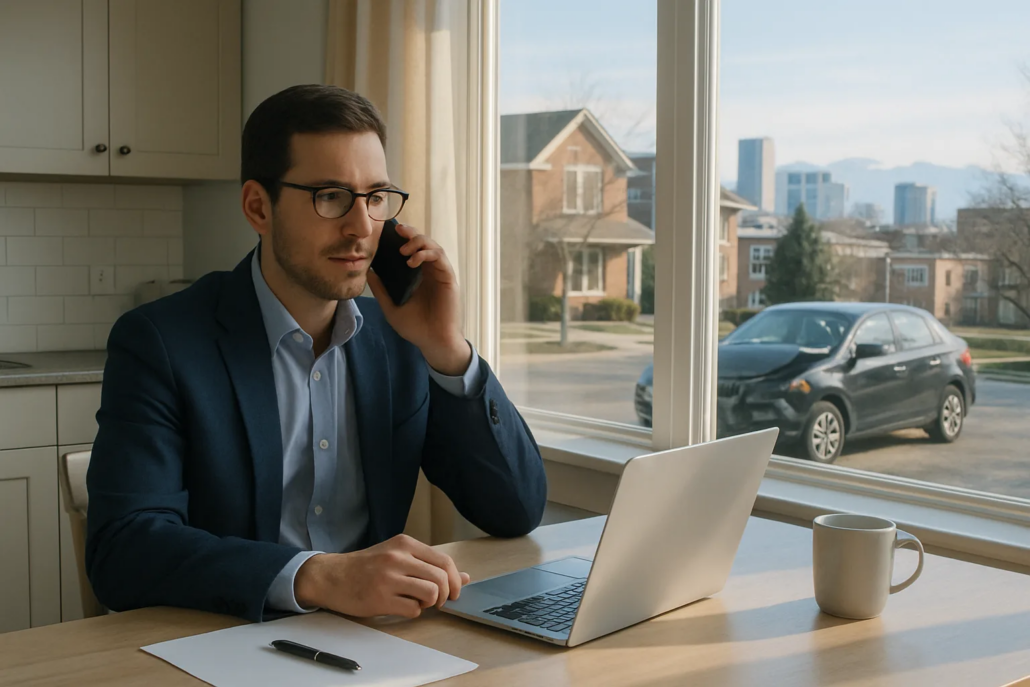
A crash can leave you focused on medical care, vehicle damage, and getting home safely. Then an insurance adjuster calls and asks to record your version of events. For many people, the immediate question is: should you give a recorded statement after a car accident in Denver?
The answer can depend on which insurer is calling, what the policy says, and what is already known about the collision. A recorded interview is not automatically improper, but casual answers can create confusion if you guess about speed, timing, fault, or the extent of an injury. Neumann helps Colorado injury clients understand the claims process and the importance of careful communication.
This guide explains how to report a Denver crash, what information is generally appropriate to provide, why speculation can be risky, how to document insurer communications, and when discussing the request with a Colorado attorney may be appropriate.
Should You Give a Recorded Statement After a Car Accident in Denver?
An insurer may request a recorded statement to gather facts about the collision. The request may come from your own carrier or from an insurer representing another driver. Those situations are not identical. Your insurance contract may include cooperation provisions, while a third-party insurer generally does not have the same contractual relationship with you.
That distinction does not mean a person can ignore every insurance call. Promptly reporting a crash to the appropriate insurer is often an important part of handling a claim. However, reporting basic facts is different from agreeing to an unrestricted interview before you understand the purpose and scope of the questions.
What a recorded statement may cover
An adjuster may ask about:
- The date, location, and general sequence of the crash
- Vehicles, occupants, witnesses, and responding agencies
- Visible damage and photographs
- Medical care already received or symptoms noticed
- Prior or later events that may relate to the claim
Some questions may be straightforward. Others may call for information you do not know. A careful answer can be, “I do not know,” or “I do not recall,” when that is accurate. It is generally better to distinguish known facts from estimates than to fill gaps with a guess.
Why the timing matters
Immediately after a collision, people may be shaken or dealing with delayed symptoms. A statement given before records, photographs, or witness information are available may not reflect the complete picture. In Denver, Neumann encourages readers to treat an adjuster’s request as a significant claims communication rather than an ordinary social conversation.
How Should You Respond to an Insurance Adjuster in Colorado?
A practical response begins with identifying who is calling and why. Ask for the adjuster’s name, company, claim number, contact information, and whether the request concerns your own policy or another person’s coverage. You may also ask whether the conversation is intended to be recorded and what subjects the adjuster wants to address.
Colorado claims may involve several sources of information, including the Denver Police Department, emergency responders, vehicle repair records, medical providers, and witnesses. An adjuster’s account is only one part of the investigation. Keeping your own organized record can help reduce misunderstandings.
Steps that may help before an interview
Depending on the circumstances, consider:
- Reporting the crash through the insurer’s established claims channel and providing basic, accurate information.
- Preserving photographs, videos, repair estimates, contact information, and copies of correspondence.
- Writing down your own recollection using facts you remember, while marking uncertain details as uncertain.
- Avoiding public posts or messages that speculate about responsibility or describe symptoms inaccurately.
- Asking whether the insurer can provide the topics or questions in advance.
- Consulting a Colorado personal injury attorney before a recorded interview if fault, injuries, coverage, or liability is disputed.
These steps do not replace the terms of an insurance policy or a case-specific legal review. A person may have different obligations depending on whether the insurer is their own carrier, a commercial carrier, or another driver’s liability insurer.
Document every important communication
After a call, record the date, participants, topics discussed, and any documents requested. Save emails, letters, voicemails, and claim portal messages. If you provide a statement, ask how it will be used and request confirmation of the claim information. Accurate documentation can be useful if the account of a conversation later becomes disputed.
What Mistakes Should You Avoid During a Denver Car Accident Claim?
People often try to be helpful after a crash, but an informal answer can have lasting significance in an insurance file. The most common problem is not deliberate dishonesty. It is uncertainty presented as certainty.
For example, a driver may estimate a speed, say traffic was “moving normally,” or state that they feel fine before delayed symptoms appear. Those statements may later be compared with vehicle data, photographs, medical records, or other accounts. A person generally should not guess when the accurate answer is that they do not remember or do not yet know.
Other issues to consider include:
- Do not describe another driver as entirely at fault before all facts are known.
- Do not minimize pain, limitations, or medical concerns merely because symptoms seem manageable at first.
- Do not speculate about whether a vehicle defect, road condition, or weather caused the crash.
- Do not sign a release or broad authorization without understanding what it covers.
- Do not assume a recorded statement is confidential or informal merely because the adjuster is courteous.
- Do not ignore policy notices, claim deadlines, or requests for documents without assessing the appropriate response.
Colorado law and insurance procedures can change, and the details of a claim may affect how comparative fault, medical evidence, and available coverage are evaluated. If a dispute develops, an attorney may review the policy, collision evidence, communications, and damages information. Denver-area residents may also encounter different practical procedures depending on whether the crash occurred in Denver County or another Colorado jurisdiction.
A lawyer cannot erase an inaccurate statement, but early advice may help a person understand the potential consequences of a requested interview. The goal is not to obstruct a legitimate investigation. It is to provide accurate information while avoiding unsupported conclusions or accidental admissions.
Frequently Asked Questions
Can an insurance company use my recorded statement against me?
A statement may become part of the insurer’s claim file and could be compared with other evidence. Its significance depends on the wording, the facts, the policy, and whether the statement was given to your insurer or another party’s insurer. Avoiding guesses and reviewing the request with a licensed Colorado attorney, when appropriate, may help you understand potential concerns before an interview.
What if I already gave an adjuster a recorded statement?
Do not assume that one imperfect answer determines the entire claim. Preserve any confirmation, recording reference, transcript, or written summary you received, and make a private note of what was discussed while your memory is fresh. Depending on the circumstances, an attorney may help assess whether clarification, additional documentation, or another response is appropriate.
Does a recorded statement mean the insurer accepted responsibility?
No. A request for information is not, by itself, an admission that the insurer accepts fault, coverage, or the value of a claim. Insurers may gather statements while reviewing liability, policy terms, injuries, and property damage. The meaning of the request depends on the claim and the relationship between you and the insurer.
May I ask an adjuster to communicate in writing first?
You may ask what information the adjuster needs and whether the topics can be provided in writing. Whether an insurer can require a particular form of cooperation may depend on the policy and the claim’s circumstances. Written communication can help clarify the request, but it does not eliminate the need to respond appropriately to valid policy or claims obligations.
How Neumann Can Help
Neumann is dedicated to helping people understand the insurance process after Denver auto accidents. The firm can evaluate the circumstances surrounding a crash, review available claim information, and discuss questions involving recorded statements, fault, injuries, property damage, and insurance communications.
Every claim has different facts, policy language, and evidence. Neumann is committed to fighting for clients’ rights while explaining practical options in clear terms. If an adjuster has requested a recorded interview or you are unsure how to approach a Denver car accident claim, contact Neumann for a free consultation or case evaluation.
The information in this article is for educational purposes only and does not constitute legal advice. Contact a qualified attorney licensed in Denver for advice specific to your situation.


Leave a Reply
Want to join the discussion?Feel free to contribute!