
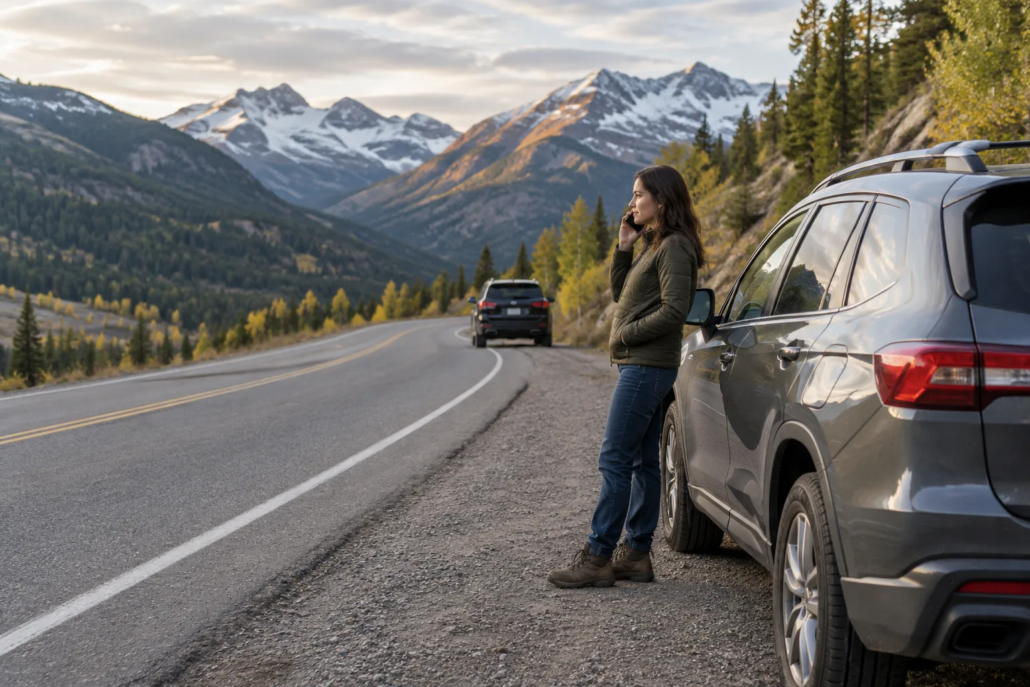
Could an Aspen Work-Errand Car Crash Trigger Two Claims?
A quick work errand can turn into a complicated insurance question if a crash happens along the way. An Aspen work-related car accident claim may involve workers’ compensation, auto liability coverage, or both—but the answer depends on the trip, the people involved, and the applicable policies. A crash on the way to pick up supplies for an employer, for example, raises different questions from a routine commute or a personal detour.
Understanding the two possible paths matters because they address different issues. Workers’ compensation generally concerns benefits for a job-related injury; an auto claim may involve responsibility for the collision and damages caused by another driver. Neumann can help explain how those questions may intersect. This guide covers when each type of claim may be relevant, who to notify, which records to keep, and what common mistakes can complicate the review.
How an Aspen Work-Related Car Accident Claim Can Involve Two Systems
Colorado workers’ compensation and auto insurance are separate systems. A work-related trip may raise a workers’ compensation question if the injury occurred while the employee was performing job duties or otherwise acting within the course of employment. Whether that standard is met depends on the facts. A personal stop, a change in route, or an employer’s instructions may matter, but none of those details alone necessarily settles the issue.
Workers’ compensation may provide eligible benefits related to medical care and some wage loss. It generally does not compensate for pain and suffering. The claim is typically handled through the employer’s workers’ compensation process and insurer, with Colorado’s Division of Workers’ Compensation overseeing the state system.
A separate auto claim may be possible if another driver’s negligence caused or contributed to the crash. Depending on the circumstances, relevant coverage could include the other driver’s liability policy or an applicable policy connected to a work vehicle. That claim may address different losses than workers’ compensation, but the rules for coordinating payments and potential reimbursement rights can be complex. Two claims are possible, not automatic, and one does not establish the outcome of the other.
The trip’s purpose can matter
A scheduled delivery, supply pickup, or employer-directed appointment may help explain why the employee was on the road. So can evidence that the trip was personal or that the employee had departed from the assigned task. Keep the facts clear and avoid assuming that the label “work errand” alone determines coverage.
Who to Notify and What Records to Keep After a Work Errand Crash
After a crash in Aspen or elsewhere in Colorado, timely, accurate communication can help preserve a clear record. The right contacts depend on the employment arrangement and the crash circumstances. A practical checklist may include:
- Employer or supervisor: Record when and how the crash was reported, who received the report, and any instructions about next steps.
- Workers’ compensation contact: Ask how to report a possible work injury and identify the assigned claims contact, if one is provided.
- Auto insurers: Note which policies may apply, including personal, employer-related, or at-fault driver coverage. Keep copies of claim numbers and written communications.
- Law enforcement or crash-recording agency: Depending on where the collision occurred, records may be available from Aspen Police Department, the Pitkin County Sheriff’s Office, or Colorado State Patrol. The agency involved depends on the location and circumstances.
Keep records that explain both the work assignment and the collision. Useful items may include work schedules, time records, dispatch messages, route or assignment details, receipts related to the errand, and notes about any personal stop. Preserve crash information such as photographs, witness contact details, insurance exchanges, and any incident or police report information available to you.
Also keep appointment and medical records, work restrictions provided by a treating professional, wage or pay records, and communications with every insurer. Store copies in one place and note the date, person, and subject of important calls. In Aspen, where a work trip may involve local streets or roads beyond city limits, recording the crash location precisely can help identify which agency or policy records may be relevant.
Common Claim Pitfalls and How to Keep the Facts Straight
A frequent source of confusion is treating the workers’ compensation report and auto insurance claim as one process. They may involve different adjusters, forms, deadlines, and questions. Reporting an injury to an employer does not necessarily notify an auto insurer, and contacting an auto insurer does not necessarily start a workers’ compensation claim. The applicable notice requirements can depend on the circumstances and policy terms.
Other avoidable problems include:
- Leaving out trip details: A vague description of the errand may make it harder to understand whether the trip was work-related. Keep the account factual and consistent.
- Discarding routine records: A schedule, work message, or receipt can help establish why and when the trip occurred. Preserve relevant material in its original form when possible.
- Assuming one insurer handles everything: Ask which claim a communication concerns and keep written confirmation of important information.
- Making broad statements before facts are clear: Recorded statements or settlement paperwork can affect how a claim is evaluated. If unsure what a request means, an attorney can explain the general implications based on the circumstances.
Workers’ compensation may also have reimbursement or lien rights if an employee receives money from a third party for the same injury. The details can affect how funds are coordinated, so avoid assuming that benefits from one source can simply be added to payments from another. An attorney reviewing a Colorado work-errand crash may consider the assignment, route, crash evidence, available policies, and how the claims relate to each other. Laws and policy terms vary and may change, so a general guide cannot resolve an individual claim.
Frequently Asked Questions
What if I made a personal stop during the work errand?
A personal stop may affect whether the trip or a portion of it is treated as work-related, but the impact depends on the facts. The purpose of the errand, the route, the length and reason for the stop, and the employer’s instructions may all be relevant. Keep an accurate account of the sequence and discuss the details with a qualified Colorado attorney if coverage is disputed.
Does workers’ compensation pay for damage to my car?
Workers’ compensation generally addresses eligible work-injury benefits, not repair or replacement of a damaged vehicle. Vehicle damage may instead involve an auto policy, such as coverage available under a personal, employer-related, or at-fault driver policy. Which policy applies depends on ownership, the trip, fault, and policy terms. Keep repair estimates and insurer communications with your other crash records.
Can I talk with the other driver’s insurer while a workers’ compensation claim is open?
The claims can proceed on separate tracks, but communications about an injury or payment may affect how the claims are evaluated or coordinated. Keep copies of what you send and receive, and note whether a request concerns property damage, injury, or a potential settlement. Depending on the circumstances, an attorney may help explain the request before you respond.
What if the crash happened outside Aspen during an Aspen work errand?
The location of the crash may determine which agency documented it and which local procedures apply. The fact that an errand began in Aspen does not, by itself, decide workers’ compensation or auto coverage. Record the exact crash location and the work assignment details. Colorado law may apply, but local procedures and policy terms can differ, so the specific facts matter.
How Neumann Can Help
When a crash happens during work travel, sorting out job-related benefits and auto coverage can require careful attention to the assignment, route, crash records, and insurance communications. Neumann is dedicated to helping people understand the issues involved in Colorado car accident claims and is committed to fighting for clients’ rights. The firm can review the circumstances and explain what questions may need further evaluation; no particular coverage decision or result can be promised.
If you were injured in a work-errand crash in Aspen, contact Neumann to request a free consultation and discuss your situation. A conversation can help you understand what information may be useful and what legal options may be available.
Disclaimer: This article is for educational purposes only and does not constitute legal advice. Laws vary by location and may change; contact a qualified attorney licensed to practice in Colorado for advice specific to your situation.


Leave a Reply
Want to join the discussion?Feel free to contribute!