
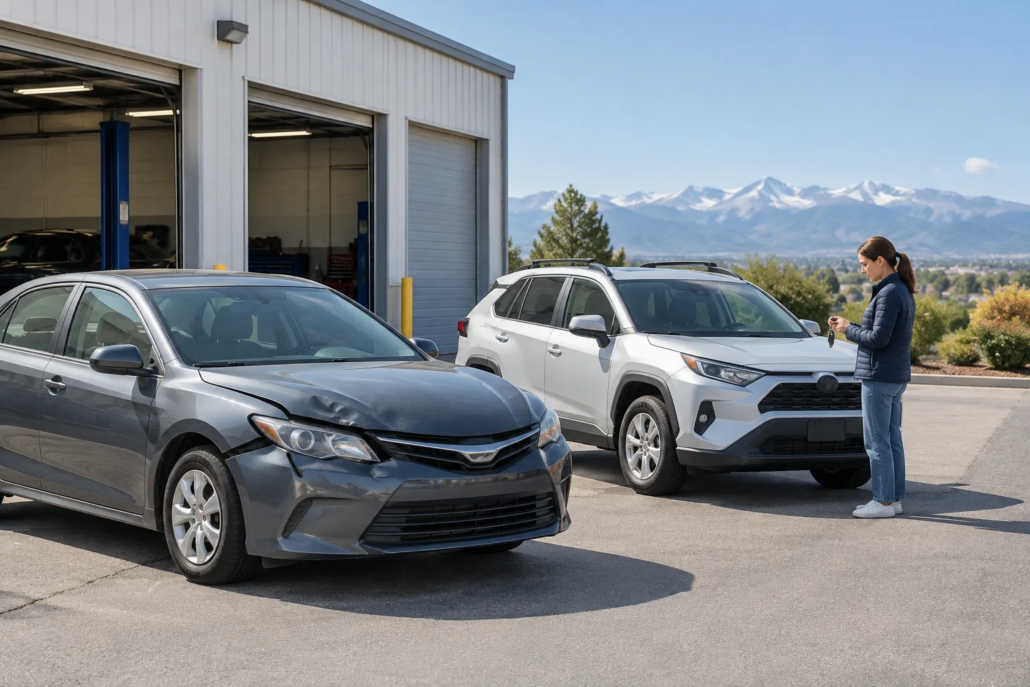
Can Denver Drivers Recover Rental-Car Costs After a Crash?
A collision can leave you without the vehicle you rely on for work, school, appointments, or everyday errands. In Denver, even a short repair delay may mean arranging a rental or finding another way to get around. Rental car reimbursement after an accident in Denver is not automatic: payment may depend on your own policy, who is responsible for the crash, how long the vehicle is reasonably unavailable, and what records you can provide.
Neumann helps people understand the insurance issues that can arise after a car accident. This guide explains the difference between using rental reimbursement under your own policy and requesting transportation costs from another driver’s insurer. It also covers how to review your policy, track rental dates and expenses, and ask an insurer what documentation it needs while repairs or a vehicle valuation are pending. The details of a claim depend on its facts and applicable policy terms.
Rental-Car Reimbursement After an Accident in Denver: Two Paths
There are generally two routes to explore, and they work differently. Your own policy may include rental reimbursement coverage. Separately, if another driver may be responsible, you can ask that driver’s insurer to consider reasonable transportation costs as part of a property-damage claim. Neither route means that every rental charge will necessarily be paid.
Using rental reimbursement under your own policy
Check your declarations page and policy wording for rental reimbursement or substitute transportation coverage. The benefit may have a daily cap, a total limit, or conditions about the type of vehicle and covered loss. The insurer may also require you to use a particular process or submit receipts. Ask what limits apply before booking if you can; do not assume the policy covers the full daily price, taxes, optional products, or every day you rent.
This coverage can be useful while the insurer investigates fault, but it is separate from any claim against another driver. Your insurer can explain whether using the benefit affects your deductible or involves any recovery process between insurers. The answer depends on your policy and circumstances.
Requesting costs from another driver’s insurer
A third-party insurer may consider reasonable rental or other transportation costs when its policyholder is found responsible, subject to the facts, coverage, and applicable law. The insurer may investigate before accepting responsibility, and it may question the rental rate, vehicle class, dates, or length of time. In Denver, as elsewhere in Colorado, keep the request grounded in the transportation need and the actual period your vehicle could not reasonably be used.
What Rental Period and Costs May Be Considered?
The dates and amount matter. An insurer may review when the car became undrivable or entered the shop, when repairs were authorized, how long parts or work took, and when the vehicle was ready for pickup. If the vehicle is declared a total loss rather than repaired, the relevant period may be assessed differently. There is no single rental period that applies to every Colorado claim; policy language, responsibility, repair circumstances, and other facts can affect the review.
A rental that is substantially more expensive or larger than needed may prompt questions. So can charges unrelated to basic transportation, such as optional coverage or upgrades. That does not mean an insurer will reject those items in every case, but it is sensible to ask what it will consider before accepting extras.
When contacting an insurer, ask specific questions and keep a note of the response:
- Does the policy or claim cover a rental, and what daily or total limits apply?
- Is advance approval required, and are there preferred rental arrangements?
- What dates does the insurer consider potentially covered while repairs or a total-loss valuation are pending?
- Which receipts, repair records, or other documents should be submitted?
Denver repair schedules and transportation needs can vary. A repair estimate may change after a shop finds additional damage, and a vehicle valuation may take time to review. Tell the adjuster when circumstances change and ask how the insurer wants updates documented. A conversation about possible coverage is not necessarily confirmation that all costs will be paid.
Records and Common Rental-Cost Claim Problems
A clear timeline can make it easier for an insurer to evaluate a request. Save the rental agreement, itemized receipts, payment records, and any written approval or instructions. Keep messages showing when the shop received the car, when repair work was delayed or completed, and when you were told it was ready. If the vehicle is being evaluated as a total loss, keep relevant valuation communications as well.
A simple log can include:
- The date your vehicle became unavailable and the reason.
- Rental pickup and return dates, daily charges, and any added fees.
- Repair-shop updates, estimated completion dates, and changes to the estimate.
- The dates you contacted each insurer and the answers or document requests you received.
Common complications include renting before checking policy limits, keeping the rental after the vehicle is available without asking the insurer about the extra days, or submitting a total without itemized records. If an insurer questions an expense, ask which charge or date is disputed and what supporting information it needs. Keep copies of what you submit and note the date. Avoid assuming that an initial estimate or verbal discussion settles the full claim.
Colorado rules and insurance contracts may affect how a transportation-cost claim is evaluated, and laws can vary by location or change over time. A dispute may involve questions about responsibility, reasonable costs, or the period the car was unavailable. If a disagreement remains, a lawyer can review the specific facts and explain options that may apply; this article does not determine what a particular claim is worth.
Frequently Asked Questions
Do I have to rent a car to seek transportation costs?
Not necessarily. A claim may involve actual rental charges or, depending on the circumstances and applicable law, another measure of loss of use. The rules and evidence can differ, and an insurer may ask how the lack of a vehicle affected you. Keep records of transportation expenses and ask the insurer what it will review. A Colorado attorney can assess how the issue may apply to a specific claim.
Can I choose any rental vehicle after a Denver crash?
Your policy may set conditions or limits, and a third-party insurer may review whether the vehicle and rate were reasonable for the circumstances. Before booking, ask about daily limits, vehicle class, approval, and any rental-provider requirements. If you need a particular vehicle for a practical reason, explain that need and keep relevant documentation. Payment for a chosen vehicle or rate is not guaranteed.
What if the repair shop is waiting for parts?
A parts delay may affect how long your vehicle is unavailable, but an insurer may want records showing the delay and its effect on the repair timeline. Ask the shop for written status updates, save revised completion estimates, and share them with the insurer as requested. Whether additional rental days are covered depends on the policy or claim facts; do not assume a delay automatically extends payment.
Does a total-loss decision end rental coverage immediately?
Not always, but the end date can depend on the policy, claim handling, and circumstances. Ask the insurer to explain in writing what date it uses and whether it is considering a rental extension during valuation, settlement, or vehicle replacement. Keep the relevant communications and receipts. If the proposed end date seems inconsistent with the applicable terms or facts, an attorney may help evaluate the issue.
How Neumann Can Help
Rental costs can become confusing when repairs take longer than expected, a vehicle valuation is pending, or two insurers are involved. Neumann is dedicated to helping people understand the insurance issues connected with Denver car accidents, including what policy terms and claim records may matter. The team can review the circumstances, help identify questions to raise with an insurer, and explain legal options without promising a particular outcome. Contact Neumann to request a free consultation or case evaluation and discuss your situation.
The information in this article is for educational purposes only and does not constitute legal advice. Contact a qualified attorney authorized to practice in the jurisdiction that applies to your matter for advice specific to your situation.

Leave a Reply
Want to join the discussion?Feel free to contribute!