
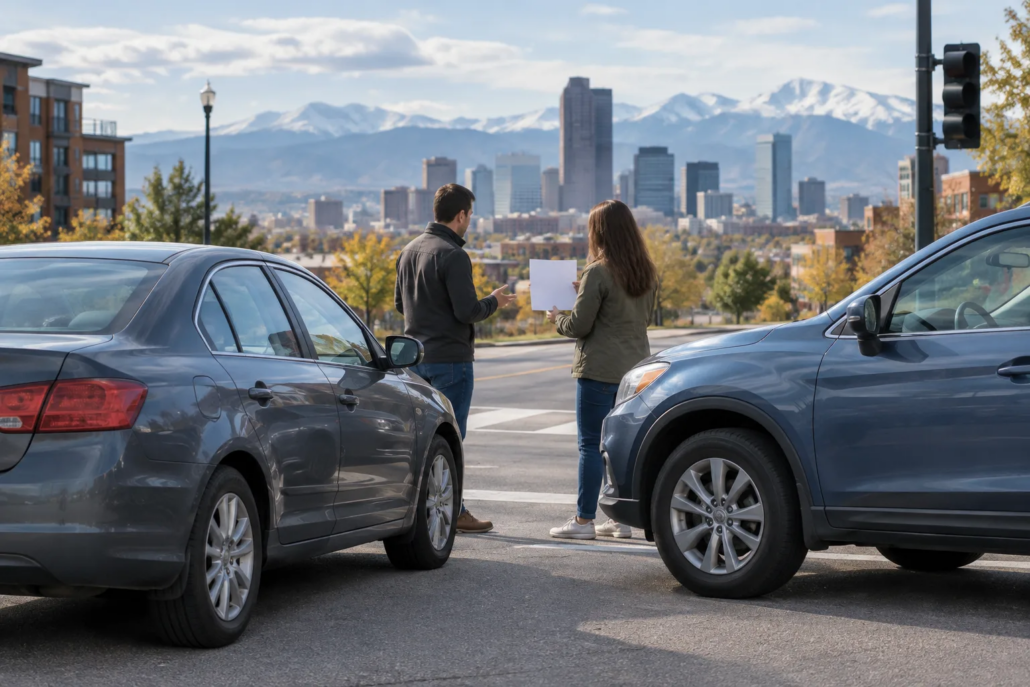
How Can You Correct a Denver Car Accident Police Report?
A crash report can feel definitive when an insurer or another person relies on it, but it may not tell the whole story. Perhaps a street or vehicle detail is wrong, a witness is missing, or the report records one driver’s account without reflecting yours. If you are trying to correct a Denver car accident police report, it helps to understand what the document does—and what it does not do—before asking the investigating agency to review it.
Neumann helps Colorado drivers understand how crash documentation can fit into an injury claim. This guide explains how to review a report, describe a specific disagreement, locate records that may support clarification, and ask the agency about its process for corrections or supplements. Procedures can differ depending on which agency investigated, and a request does not necessarily mean the original report will be changed.
What Can a Denver Crash Report Get Wrong?
A report may include basic identifying details, observations made at the scene, statements attributed to drivers or witnesses, and an officer’s account of the collision. These parts do not all have the same character. A misspelled name or incorrect vehicle color is a different kind of issue from a disagreement about how the crash happened or who had the right of way.
In Denver, the report may have been prepared by the Denver Police Department, Colorado State Patrol, or another responding agency, depending on the circumstances. Start by checking the report’s heading or agency information so you know whom to contact. A report obtained through a records system may still be handled by the agency that investigated the collision.
Separate a factual error from a disputed interpretation
Note exactly what appears inaccurate. For example, identify the page or section, the entry as written, and the fact you believe is correct. If the disagreement concerns an officer’s reconstruction or an account attributed to a driver, describe it as a disputed interpretation or statement rather than assuming the agency will treat it as a clerical error.
A crash report is one piece of information about a collision, not automatically a final decision about civil liability. An insurer may consider it alongside other evidence. An error or omission can matter, but it does not by itself determine the outcome of an insurance claim or lawsuit.
How to Request a Denver Crash Report Review
Before contacting the agency, organize the issue so a reviewer can understand it without guessing. Keep your explanation neutral and specific. If the report contains several disputed points, list each separately rather than combining them into a broad statement that the whole report is wrong.
A useful review packet may include:
- The report or incident number, if available, and the date and location of the collision.
- The exact entry you dispute, including the report section or page when possible.
- A short explanation of the information you believe is accurate and why.
- Supporting material, such as photographs, a witness’s contact information or statement, or relevant video that is lawfully available to you.
- Your contact information and a request for the agency to explain its review, correction, or supplemental-statement process.
Contact the agency identified on the report and ask how it accepts requests, what supporting materials it considers, and whether it can add a supplemental statement if it does not revise the original entry. Procedures may vary by agency and case circumstances. In Denver, do not assume that a request to one department automatically reaches another agency or changes a report held elsewhere. Keep copies of what you send and note when and how you contacted the agency.
Supporting Evidence, Limits, and Common Missteps
Supporting records can help explain why a detail deserves review, but they do not guarantee that the agency will amend its report. Consider what evidence speaks directly to the disputed point. A photograph taken near the time of the crash may help clarify vehicle position or visible damage; a witness may address what they personally observed. Dispatch records, nearby camera footage, or vehicle data may also be relevant, depending on availability and how the material was created or preserved.
Some records are controlled by third parties, and video can be overwritten under the owner’s retention practices. If a source may have useful information, ask about availability and preservation promptly. Avoid altering original files; retain the unedited version and note when and how it was obtained. Be mindful of privacy and access rules when seeking records that are not yours.
Common mistakes include sending an angry or general complaint without identifying the disputed entry, treating a disagreement about fault as an obvious typo, or assuming that an agency’s refusal to amend the report means no other evidence can be considered. A request for clarification is separate from an insurer’s claim review and any legal proceeding. If an injury claim is involved, a Colorado attorney can explain how the report and other evidence may be evaluated in the particular circumstances. Laws and procedures vary by location and may change over time.
Frequently Asked Questions
Can I get a copy of my Denver car accident police report?
The process depends on which agency investigated and the agency’s records procedures. Check the report information or contact the responding agency to ask how to request a copy and what identifying details it needs. Some reports may be accessed through an agency or state records system. Availability, access, and any applicable fees can vary, so confirm the current process with the agency responsible for the report.
Will a correction request remove the original report?
Not necessarily. The agency decides how to handle a request under its procedures and may decline to revise an original entry. It may instead explain its decision or offer a way to submit additional information or a supplemental statement. Ask how the agency records changes or additions and whether an amended or supplemental document will be provided. A request does not itself establish which account of the crash is correct.
What if the report leaves out a witness?
You can identify the omission in a written request and provide the witness’s name and contact information, if appropriate, along with a concise explanation of what the witness may have observed. Avoid presenting secondhand assumptions as firsthand facts. The investigating agency determines whether it can add information or take further steps. A witness’s account may also be relevant to an insurance review, depending on the circumstances.
Does a crash report decide who is legally at fault?
A crash report can record observations, statements, and an officer’s view of the collision, but it is not necessarily the final word on civil responsibility. An insurer or court may consider other evidence and applicable Colorado law. The effect of a particular report depends on its contents and the broader record. A licensed Colorado attorney can discuss how the document may relate to a specific claim.
How Neumann Can Help
Neumann is dedicated to helping people understand the role of crash documentation in a Colorado car accident claim. When a report appears to contain a factual error or omit important information, the firm can review the issue, discuss what supporting records may be relevant, and explain questions to raise with the investigating agency. The right approach depends on the report, the available evidence, and the circumstances of the collision; no agency review or claim result can be promised.
If you are concerned about a Denver crash report, contact Neumann to discuss your situation and ask about a consultation or case evaluation. A conversation can help you understand possible next steps without assuming that a report will necessarily be changed.
The information in this article is for educational purposes only and does not constitute legal advice. Contact a qualified attorney licensed to practice in Colorado for advice specific to your situation.


Leave a Reply
Want to join the discussion?Feel free to contribute!