
When Could Aspen Drivers Pursue an Uninsured Motorist Claim?
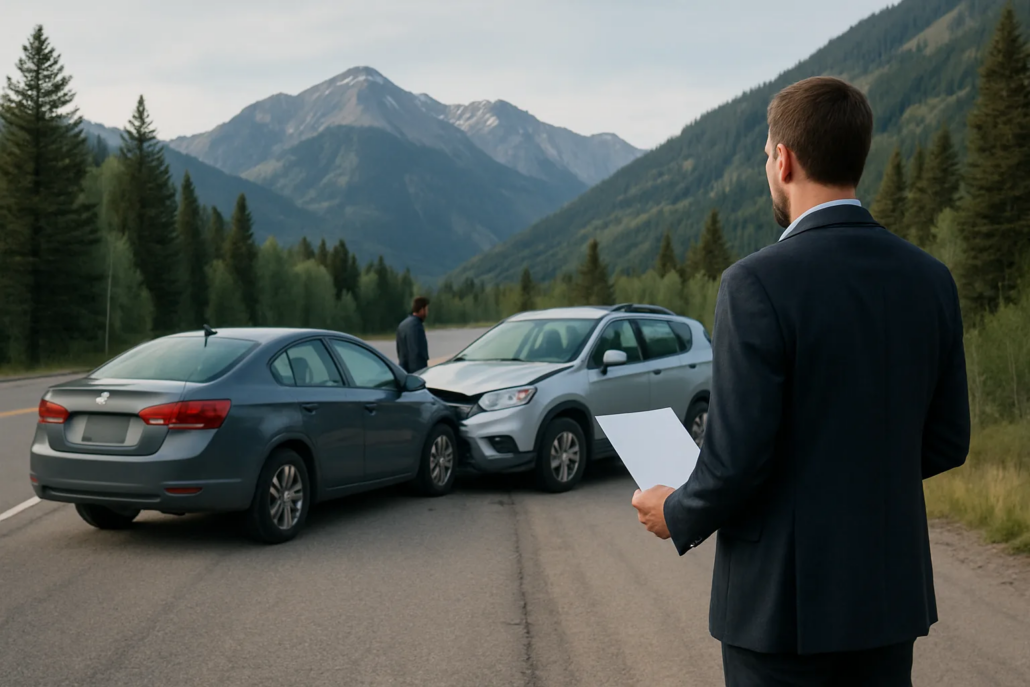
A crash with a driver who has no insurance—or only modest liability limits—can create a difficult question: where can an injured Aspen motorist look for coverage? In many cases, the answer may involve the driver’s own uninsured motorist (UM) or underinsured motorist (UIM) protection. But an Aspen uninsured motorist car accident claim is not automatic simply because another driver cannot pay.
Generally speaking, the policy language, facts proving fault, prompt notice, medical documentation, and the available limits all matter. Colorado insurance policies can also contain conditions and exclusions that affect whether benefits may be available. Neumann can help readers understand the issues that often arise, but every claim depends on its specific facts.
This guide explains when UM or UIM coverage may become relevant, what an Aspen driver can review after a crash, how to document losses, and why coordinating insurance claims may require careful attention. It is educational information, not a decision about whether coverage applies in any particular case.
When Should an Aspen Uninsured Motorist Car Accident Claim Begin?
An uninsured motorist claim may become relevant when the at-fault driver has no liability insurance or cannot be identified, such as in some hit-and-run crashes. Underinsured motorist coverage may be considered when the responsible driver’s policy exists but its limits may not cover the injured person’s losses. Whether either type of coverage applies depends on the policy and the circumstances.
Start with the declarations page
The declarations page is often the quickest place to identify the policy’s UM and UIM limits. A driver should look for coverage amounts, covered vehicles, named insureds, and effective dates. The full policy—not only the declarations page—may contain definitions, notice requirements, cooperation duties, and exclusions.
Useful questions to identify for review include:
- Is UM coverage listed, and does it include bodily injury protection?
- Is UIM coverage listed separately or combined with UM coverage?
- Which vehicles and people qualify as insureds under the policy?
- Are there multiple policies that could potentially apply?
- Does the policy describe how payments from another insurer affect available benefits?
Colorado law governs Colorado insurance policies, but policy wording and the law may change. A policy review with a licensed Colorado attorney can help clarify issues that are not apparent from the declarations page alone.
Do not assume the other driver’s status is settled immediately
A driver may appear uninsured at the scene, but insurance information can sometimes require confirmation. Conversely, a policy may have limits that are too low for the losses involved. Reporting the crash and investigating available coverage can help distinguish a no-insurance claim from an underinsured motorist claim.
What Should an Aspen Driver Report and Document?
Prompt communication is important because many policies require notice of a collision that could lead to a UM or UIM claim. The policy may also require cooperation with the insurer, delivery of legal papers, or permission before resolving a claim against the at-fault driver. These requirements vary by policy. An Aspen driver may wish to review the policy and consider legal guidance before signing a release or accepting a settlement that could affect other coverage.
After a collision, a practical documentation file may include:
- The incident report or other information provided by law enforcement.
- Photos or video of vehicle positions, roadway conditions, visible damage, and relevant surroundings.
- Names and contact information for witnesses, when available.
- Insurance information for every involved vehicle and correspondence from insurers.
- Medical records, bills, work-related loss documentation, and notes about how symptoms affect ordinary activities.
- Repair estimates, towing records, rental transportation costs, and evidence of other accident-related expenses.
A report to an insurer is not a substitute for proving liability. The claimant may still need evidence showing how the collision occurred and why the other driver was legally responsible. In Aspen and elsewhere in Pitkin County, photographs, witness accounts, roadway evidence, and vehicle damage may help establish the sequence of events, although no single item guarantees a finding of fault.
Medical documentation also matters. People should follow the advice of their healthcare providers and keep records of care; they should not minimize symptoms or speculate about a diagnosis in communications with an insurer. An attorney may help organize medical and financial evidence without making medical judgments.
How Are UM and UIM Claims Evaluated in Colorado?
Evaluating a Colorado UM or UIM claim usually involves more than comparing medical bills with policy limits. The insurer may assess liability, the nature and duration of claimed injuries, treatment records, lost income documentation, property damage, and applicable policy provisions. Other available coverage—such as the at-fault driver’s liability policy, medical payments coverage, health insurance, or additional household policies—may affect the overall claim analysis.
Common issues that can affect the evaluation
- Liability: Evidence must connect the other driver’s conduct to the crash and claimed losses.
- Coverage: The policy must provide applicable UM or UIM protection for the person and vehicle involved.
- Limits: The available limit places an important ceiling on benefits, subject to policy terms and applicable law.
- Damages: Medical records and other documents help show the financial and personal effects of the collision.
- Coordination: Payments from another source may interact with UM/UIM benefits under the policy.
- Notice and consent: Late notice, releases, or settlement decisions may create coverage questions depending on the policy.
One common mistake is accepting the at-fault driver’s policy limits without first understanding whether a separate UIM claim may exist. Another is treating the declarations page as the entire contract. A third is delaying notice while waiting for symptoms, repairs, or treatment to end. These issues do not automatically defeat a claim, but they can complicate the coverage analysis.
An Aspen car accident lawyer can review the available documents, communicate with insurers, and explain potential options. The appropriate approach depends on the facts, the policy language, and the current status of any related claim.
Frequently Asked Questions
Can I make a UM claim if the at-fault driver left the scene in Aspen?
Possibly, depending on the policy and the evidence. Hit-and-run claims often raise questions about whether there is enough proof that physical contact occurred, how the collision happened, and whether the driver can be identified. Promptly reporting the crash to law enforcement and the insurer may be important. Colorado policy terms can impose additional requirements, so a review of the applicable policy may be useful.
Does UIM coverage pay for every loss after a Colorado crash?
No. UIM coverage does not necessarily reimburse every claimed expense or guarantee payment. The available benefits may depend on liability, policy definitions, limits, exclusions, proof of damages, and coordination with other insurance. Some losses may be disputed or limited by the contract. A qualified attorney can explain how these issues may affect a particular underinsured motorist claim in Colorado.
Can I pursue a UM claim if I was a passenger in Aspen?
Potentially. Coverage may depend on the passenger’s relationship to the policyholder, the vehicle involved, and the terms of any applicable policies. A passenger may have access to more than one source of coverage, but that is not automatic. Gathering the policies for the vehicle, driver, and passenger can help identify which provisions may need review after the collision.
What if the other driver disputes responsibility for the crash?
A disputed liability claim may require careful review of photographs, witness statements, collision evidence, traffic information, and medical records. The existence of UM or UIM coverage does not eliminate the need to establish the other driver’s legal responsibility. An insurer may investigate independently. Legal counsel may help a claimant understand evidence requests and the potential next steps without guaranteeing a particular result.
How Neumann Can Help
Neumann is dedicated to helping injured people understand the insurance and evidence issues that may arise after a Colorado motor vehicle collision. The firm can review the declarations page and policy language, examine available liability evidence, organize medical and financial documentation, and assess how UM or UIM coverage may coordinate with other available insurance.
Because coverage disputes can involve deadlines, notice provisions, releases, and policy-specific conditions, early review may help clarify the issues. Neumann is committed to fighting for clients’ rights while providing a realistic assessment based on the available information. Contact Neumann for a free consultation or case evaluation regarding an Aspen uninsured motorist car accident claim.
The information in this article is for educational purposes only and does not constitute legal advice. Contact a qualified attorney licensed in Aspen for advice specific to your situation.


Leave a Reply
Want to join the discussion?Feel free to contribute!