
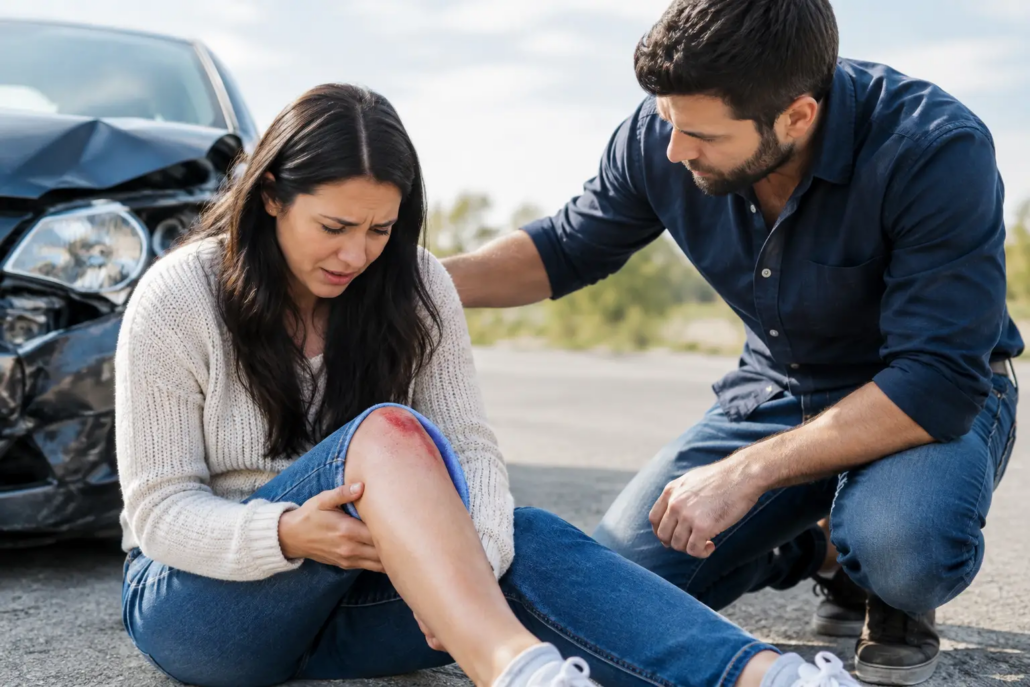
Personal Injury: What to Do After an Accident
A personal injury can turn an ordinary Colorado day into a medical, financial, and legal crisis in seconds. Whether a crash happened on a Denver street, a fall occurred at a business, or a dangerous product caused harm at home, the first decisions you make can affect both your recovery and your ability to seek fair compensation.
The priority is always medical care. But once immediate danger has passed, you also need to protect the facts. Insurance companies begin evaluating claims quickly. Evidence can disappear, memories can fade, and a friendly call from an adjuster can become a recorded statement used to limit what they pay.
Put Your Health Before the Claim
Some injuries are obvious at the scene. Others are not. Concussions, soft-tissue injuries, internal injuries, and back or neck pain may not fully appear until hours or days later. Do not assume you are fine simply because you walked away from an accident.
Get prompt medical attention when you are hurt or experiencing symptoms. Follow the treatment plan, attend follow-up appointments, and tell your provider about every symptom, even if it seems minor. Medical records do more than document treatment. They create a timeline connecting your injuries to the event that caused them.
Gaps in care can create real problems. An insurer may argue that you were not seriously injured, that you recovered sooner than you did, or that something else caused your condition. There are legitimate reasons treatment may be delayed, including cost, work demands, or lack of transportation. Still, communicating clearly with your medical provider and obtaining care as soon as practical can make a difference.
Protect Evidence of the Personal Injury
After an accident, details that feel unforgettable can become unclear surprisingly fast. Take photographs and save information before conditions change. If you cannot do this because of your injuries, ask a trusted family member or friend to help.
The most useful evidence often includes:
- Photos of vehicles, hazards, injuries, damaged clothing, and the surrounding area
- Names and contact information for witnesses and responding officers
- A copy of any incident report, police report number, or exchange-of-information form
- Medical paperwork, prescriptions, bills, and discharge instructions
- Messages, emails, and notes about what happened and how injuries affect daily life
Keep damaged property when possible. Do not rush to repair a vehicle, throw away torn clothing, or discard a defective product before it has been documented. In some cases, the condition of that evidence matters as much as a written account of what happened.
A simple daily journal can also help. Record pain levels, missed work, appointments, sleep disruption, limitations at home, and activities you can no longer manage. You do not need to write pages each day. Specific, honest notes made close in time to the events are often more useful than trying to reconstruct months of recovery later.
Be Careful With Insurance Conversations
You may need to report an accident to your own insurance company promptly. Provide basic facts, but be cautious when another party’s insurer contacts you. Their adjuster may sound sympathetic, and many are professional, but their job is to control the cost of the claim.
You are not required to guess about fault, give a detailed recorded statement, or accept an early settlement simply because an insurer asks. Before injuries are fully evaluated, you may not know whether you will need additional treatment, miss more work, or face lasting limitations. Once you accept a settlement and sign a release, seeking additional payment is usually far more difficult.
Avoid posting about the incident, your activities, or your recovery on social media. Even an innocent photograph, comment, or check-in can be taken out of context. Privacy settings are not a guarantee that a post will stay private.
Understand What Compensation May Address
A personal injury claim is not limited to the first emergency room bill. Depending on the facts, a claim may seek compensation for medical care, rehabilitation, lost income, reduced earning ability, property damage, pain, emotional distress, and the impact of an injury on daily life.
The value of a claim depends on evidence, insurance coverage, the severity and duration of injuries, and how clearly responsibility can be established. Colorado’s comparative negligence rules can also matter. If more than one person shares responsibility, the outcome may change based on each person’s percentage of fault. That is one reason broad statements such as “I am sorry” or “I did not see them” should be avoided at the scene. Focus on safety and accurate facts rather than conclusions.
Not every injury case requires a lawsuit. Many claims resolve through insurance negotiations. However, a reasonable settlement requires a clear understanding of the injuries, damages, available coverage, and the legal deadlines that apply. When an insurer disputes fault, minimizes treatment, or makes a low offer, legal representation can change the conversation.
Do Not Wait for the Situation to Get Worse
Colorado law places deadlines on injury claims, and the deadline can vary based on how the injury occurred and who may be responsible. Claims involving motor vehicles, government entities, unsafe property, or wrongful death may involve different rules and notice requirements. Waiting too long can put your right to recover at risk.
You do not need to have every medical record or every answer before speaking with an attorney. An early conversation can help identify evidence that should be preserved, determine whether additional investigation is needed, and explain what to expect from the insurance process. It can also take pressure off you while you focus on healing.
This is especially true when an injury keeps you from traveling easily. A serious collision, surgery, or ongoing therapy can make a trip across town feel impossible. Access to legal help should not depend on whether you can sit in an office waiting room. A law firm that offers a free consultation, remains available 24/7, and will travel when appropriate can meet clients where their recovery allows.
When a Free Consultation Makes Sense
It is reasonable to seek guidance after any accident that causes medical treatment, missed work, significant pain, a permanent injury, or uncertainty about who was at fault. It is also wise to speak with counsel when an insurance company pressures you for a statement, disputes your injuries, delays payment, or presents settlement paperwork.
Bring what you have, not what you think you are supposed to have. Photos, a claim number, medical documents, a crash report, names of witnesses, and correspondence from insurers can all be useful. If you have little more than the date, location, and a description of what happened, that is enough to begin asking questions.
Neumann Law Group offers free consultations for injured people and families in Colorado who need a direct conversation about their options. The goal is not to add another burden after an accident. It is to help you understand the next step before an insurer’s timeline or a legal deadline makes the decision for you.
You do not have to decide the entire case today. Get medical care, preserve what you can, and ask for help before a difficult situation becomes harder to prove. A timely conversation can give you room to recover while someone protects your right to be heard.


Leave a Reply
Want to join the discussion?Feel free to contribute!