
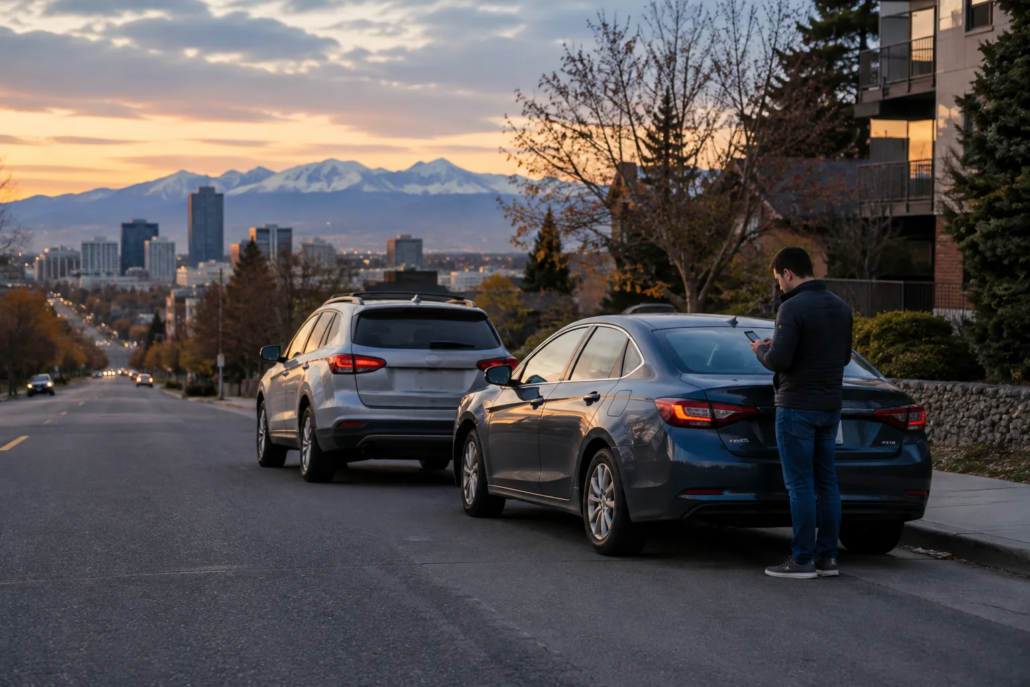
What Coverage Could Pay After a Denver Hit-and-Run Accident?
A hit-and-run can leave you facing medical bills, a damaged vehicle, and unanswered questions about who will pay. If the other driver cannot be identified, the usual claim against that driver’s liability insurer may not be available. Still, your own policy may offer options. Understanding Denver hit-and-run accident insurance can help you know what to ask about while you work through the aftermath.
Neumann helps Colorado injury claimants understand how insurance rules and the facts of a crash can shape their options. This overview explains when uninsured motorist coverage, collision coverage, and other policy benefits may apply. It also covers practical steps that may help preserve a claim, including reporting the crash, recording what happened, documenting injuries and damage, and notifying relevant insurers. Coverage is not automatic; policy terms, applicable Colorado law, and evidence all matter.
What Denver Hit-and-Run Accident Insurance May Cover
Several types of insurance may be relevant after a hit-and-run. The available coverage depends on the policy, the kind of loss, and what can be established about the crash. A claim may involve more than one coverage, but benefits and limits are not the same from policy to policy.
Uninsured motorist coverage for injuries
Uninsured/underinsured motorist (UM/UIM) coverage is intended to help with bodily injury losses in certain situations involving a driver who has no insurance, too little insurance, or cannot be identified. Colorado policies and legal requirements can impose specific conditions for an unknown-driver or hit-and-run claim. For example, whether there was physical contact and what evidence supports the account may matter. The policy wording and circumstances should be reviewed rather than assuming that every hit-and-run qualifies.
If UM/UIM coverage applies, it may help with eligible injury-related losses, subject to policy limits, exclusions, and claim requirements. It generally does not function as a substitute for collision coverage for damage to your own vehicle. Because the driver is unknown, careful documentation can be particularly important.
Collision and other policy benefits
Collision coverage may pay for covered damage to your vehicle after a crash, regardless of whether the other driver is identified, subject to the deductible and policy terms. Depending on the policy and circumstances, medical payments coverage may also help pay certain medical expenses without regard to fault. Rental reimbursement or roadside benefits may be available if purchased or included in the policy.
How to Preserve a Colorado Hit-and-Run Car Accident Claim
A well-documented record can help an insurer assess what happened, the losses involved, and which policy provisions may apply. In Denver, the proper reporting agency can depend on where the crash occurred. Denver Police Department or Colorado State Patrol may be relevant, depending on the location and circumstances; use the agency’s official reporting process and ask how to obtain a report or reference number.
As circumstances allow, consider these general claim-preservation steps:
- Report the crash promptly. Provide the location, approximate time, direction of travel, and a description of the other vehicle or driver if known. Reporting requirements can depend on the facts and applicable Colorado law.
- Record what you remember. Note what happened before and after impact, the other vehicle’s appearance, possible plate details, and any witness names or contact information. Keep the account factual and distinguish what you saw from what you inferred.
- Photograph the scene and damage. If it is safe, take pictures of vehicle damage, the surrounding area, debris, and relevant road conditions. Keep original files where possible.
- Keep injury and expense records. Save bills, receipts, insurer correspondence, and records of missed work. Make a note of when symptoms or other effects were reported to a medical provider; do not rely on memory alone.
- Notify relevant insurers. Review your policy’s notice and cooperation requirements and contact your insurer about potentially applicable coverages. Ask what forms or documentation it needs and keep copies of communications.
An insurer may investigate the crash and ask for additional information. Be accurate and measured when describing events, and review any statement or form before submitting it. Reporting the incident does not by itself establish coverage or fault, but delays or gaps in documentation can make facts harder to confirm.
Claim Issues, Policy Terms, and Common Missteps
An unknown driver can create a different kind of insurance question from a crash where both drivers are identified. UM/UIM coverage may have requirements tied to an unidentified vehicle, and insurers may examine whether the evidence supports the account and the claimed injuries. If there was no physical contact, for example, the policy language and applicable Colorado requirements may be especially important. A witness, available video, or prompt report may help establish relevant facts, but none guarantees coverage.
Common issues that can complicate a claim include:
- Waiting to report the crash or notify an insurer, despite policy notice requirements.
- Discarding damaged parts or repairing a vehicle before documenting its condition, when it is practical to preserve evidence.
- Assuming collision coverage, UM/UIM, or medical payments coverage is included without checking the declarations and policy wording.
- Treating an insurer’s preliminary view as a final coverage decision without reviewing the explanation and policy provisions.
- Giving estimates or guesses as though they were confirmed facts.
In Denver, the location of the crash may also affect which agency handles the report and where related proceedings take place. Coverage questions are contractual and fact-specific, while legal rules can vary by jurisdiction and may change. A Colorado attorney can review the policy, available evidence, and insurer communications to explain possible options in the context of a particular claim.
Frequently Asked Questions
Does a hit-and-run have to involve physical contact for a Colorado UM claim?
It can matter. Colorado requirements and policy terms may set conditions for a claim involving an unidentified vehicle, including questions about physical contact. The answer can depend on the policy language and the facts, such as whether there is independent evidence of the vehicle’s involvement. A report, witness account, or other documentation may help an insurer evaluate the claim, but coverage should not be assumed without reviewing the specific circumstances.
Will my insurance rates go up if I report a Denver hit-and-run?
The effect of reporting a crash on premiums can depend on the insurer, policy, claim history, and applicable rules. Reporting a loss does not automatically mean a rate increase, and an insurer’s decision may depend on how the claim is classified and resolved. For information about your policy, ask your insurer how it handles a reported hit-and-run and whether opening a claim could affect your coverage or premium.
Can I use collision coverage if the other driver is never found?
Collision coverage may apply to damage to your insured vehicle even if the other driver is unidentified, subject to the policy’s terms, exclusions, and deductible. It is separate from UM/UIM coverage, which commonly addresses eligible bodily injury losses. Check your declarations and policy wording, and ask the insurer to explain what coverage it is considering and what deductible or documentation may apply.
What if I was a passenger in a hit-and-run vehicle?
A passenger may have potential coverage through more than one policy, depending on the facts and applicable terms. Possibilities can include coverage associated with the vehicle, the passenger’s own policy, or another applicable source. Who was driving, which policies were in force, and the nature of the injuries can affect the analysis. A coverage review can help clarify which insurers may need notice.
How Neumann Can Help
Neumann is dedicated to helping people understand the insurance questions that can follow a hit-and-run in Denver and elsewhere in Colorado. The firm can review relevant policy language, available crash documentation, and insurer communications to explain potential coverage paths and issues that may need attention. Because each claim depends on its facts and terms, an evaluation can help identify questions to raise and information that may be useful to gather. Contact Neumann to discuss your circumstances and request a consultation.
The information in this article is for educational purposes only and does not constitute legal advice. Contact a qualified attorney authorized to practice in the jurisdiction that applies to your matter for advice specific to your situation.


Leave a Reply
Want to join the discussion?Feel free to contribute!