
How Can Snow or Ice Affect Liability in a Denver Crash?
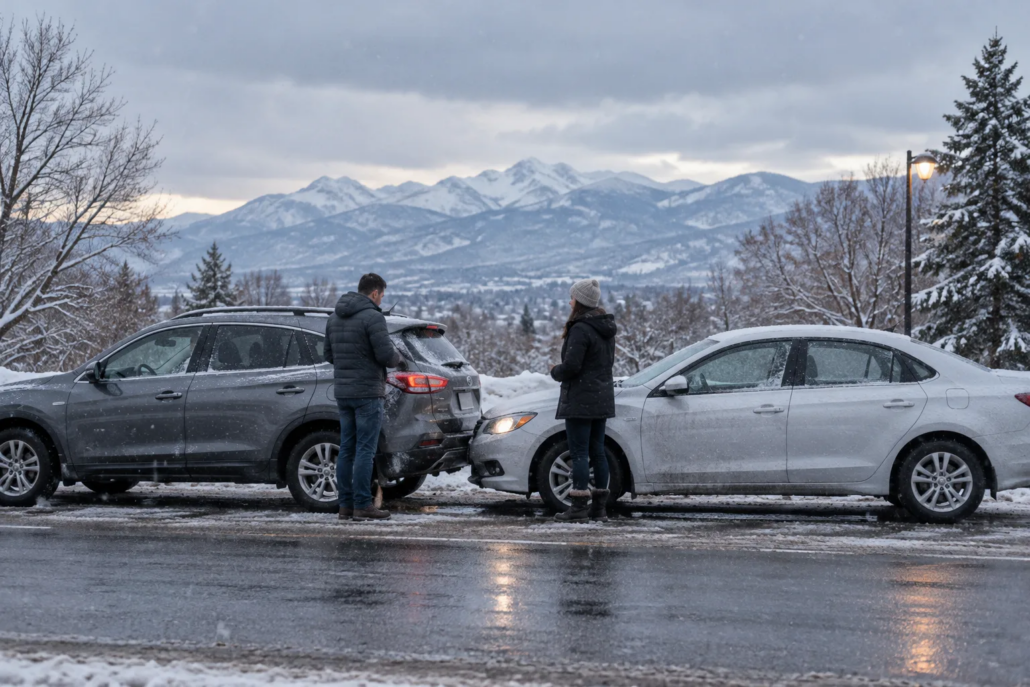
A driver approaches an intersection in Denver as snow begins to fall. The road looks wet, visibility is fading, and traffic is slowing. If a collision happens, the presence of snow or ice may help explain the circumstances—but it does not, by itself, settle who was responsible. Denver winter car accident liability depends on the facts surrounding the crash and how each driver responded to the conditions.
That distinction matters because winter conditions can affect everyone on the road, while drivers may still have different opportunities to adjust their behavior. Speed, following distance, visibility, tires, and decisions made before impact can all be relevant. Neumann helps people understand the questions that may arise after a winter collision, without assuming bad weather automatically proves fault. This article explains how responsibility may be evaluated, what details can be useful to record after a crash, and why a report or a single piece of evidence may not tell the whole story.
How Denver winter car accident liability is evaluated
A winter crash is generally assessed by looking at what happened before and during the collision—not simply at the forecast. The central question is often whether a driver used reasonable care in the circumstances. That may involve considering the road surface, available visibility, traffic flow, and whether a driver adjusted to changing conditions.
For example, a vehicle may take longer to stop on a slick road. A driver who continues at a speed that is unsafe for the conditions, follows too closely, or fails to account for limited visibility may be viewed differently from a driver who was proceeding cautiously but encountered an unexpected hazard. Tire condition and vehicle maintenance may also be relevant, depending on what evidence is available. None of those details alone automatically decides fault.
Weather is context, not automatic proof of fault
Snow, freezing rain, or black ice can help explain why a vehicle lost traction. But drivers are generally expected to respond to conditions they can observe or reasonably anticipate. At the same time, a sudden patch of ice or an unexpected change in visibility may be important context when evaluating what a driver could reasonably do.
More than one person may share responsibility
Colorado uses a comparative-fault framework. In general, responsibility may be apportioned among people whose conduct contributed to a crash, and a person’s share of fault can affect a claim. The specific effect depends on the facts and applicable law. A careful assessment in Denver should consider each driver’s actions rather than treating winter weather as a complete explanation or excuse.
What details can clarify fault after a snow or ice crash?
Useful information can help preserve a clearer picture of the conditions and events. If it is safe to do so, a person involved in a Denver collision may note or document:
- The approximate time and location, direction of travel, and lane positions of the vehicles.
- Whether the road appeared wet, snow-covered, slushy, icy, or recently cleared, and how visibility looked.
- Weather conditions, traffic flow, nearby lighting, and any visible obstructions.
- Vehicle damage, skid marks, debris, and the positions of vehicles after the collision, if they can be recorded safely.
- Names and contact details for witnesses, along with any available photographs or dash-camera footage.
- Relevant conversations about what happened, recorded as accurately as possible after the immediate situation is stable.
Do not put yourself or others in danger to gather evidence. If the scene is unsafe, prioritize getting to a safer place and contacting appropriate emergency or roadside assistance. A photo taken from a safe location may be more useful than approaching traffic or standing on an icy shoulder.
Denver roads can include city streets, state routes, and other roadways maintained by different entities. A location alone does not establish who was responsible for maintaining a particular surface or whether a maintenance issue contributed to a crash. If road treatment or a hazard is part of the account, the exact location, timing, and available records may matter. Weather reports and road-condition information can add context, but they do not necessarily show the precise conditions at the crash site at the moment of impact.
Common evidence gaps and steps in a winter crash claim
Winter scenes can change quickly. Snow may melt, traffic may disturb tire marks, and road crews may treat a surface after a collision. Early notes about the conditions and a clear timeline may help preserve details that are harder to recall later. Keep original photos or videos when possible, and avoid editing the only copy. A brief note about when and where an image was taken can help explain its context.
A police report may record observations, statements, and road conditions, but it is not necessarily a final decision about civil responsibility. Accounts can differ, and an officer may not witness the collision. Similarly, a damage pattern or a short video may be informative without showing every relevant moment. A broader review may compare those materials with witness accounts, vehicle information, weather conditions, and the drivers’ descriptions.
Be accurate and measured when discussing the crash. A person may not know the full cause immediately, particularly when ice or visibility played a part. If an insurer requests information, the effect of a statement or document can depend on the circumstances and policy. Depending on the situation, a Colorado attorney may help explain how evidence and comparative fault could affect a claim. Laws and procedures can vary by location and may change, so a specific matter may need current, jurisdiction-specific review.
Frequently Asked Questions
Does black ice automatically excuse a driver after a Denver crash?
No. Black ice may be relevant because it can be difficult to see and may affect traction, but its presence does not automatically excuse a driver or establish another person’s fault. An evaluation may consider when the ice was encountered, visibility, speed, following distance, and what each driver did in response. The available evidence and the circumstances of the particular crash matter.
Can I be partly responsible if my car slid on ice?
Possibly, but sliding alone does not answer the responsibility question. The surrounding facts may include how quickly conditions changed, how fast the vehicle was moving, whether there was room to stop, and whether other conduct contributed. Colorado’s comparative-fault framework can make the allocation of responsibility important to a claim. A legal assessment depends on the evidence and applicable law.
What if the road was not treated before the collision?
A road’s treatment history may be relevant, but an untreated surface does not automatically establish that a particular person or agency is legally responsible. The roadway’s location, who maintained it, when the hazard developed, and what records exist may all matter. Claims involving a public entity can raise additional rules and deadlines, so the circumstances may call for advice from a qualified Colorado attorney.
Should I rely on the police report to decide who caused the crash?
A report can be a useful source of information, but it may not contain every witness account, photograph, or detail about the road surface. It may also reflect observations made after the collision rather than a direct view of how it happened. Consider it as one part of the available information, not necessarily the final word on civil liability.
How Neumann Can Help
Neumann is dedicated to helping people understand the factors that may shape a winter crash claim, including road conditions, driver decisions, and the evidence available afterward. The firm can review the circumstances, explain how Colorado’s fault rules may apply, and discuss questions about documentation or insurance communications. Every collision is different, and any assessment depends on its facts and applicable law. If you were hurt in a snow- or ice-related crash in Denver, contact Neumann to request a free consultation and discuss your situation.
The information in this article is for educational purposes only and does not constitute legal advice. Contact a qualified attorney authorized to practice in the jurisdiction that applies to your matter for advice specific to your situation.


Leave a Reply
Want to join the discussion?Feel free to contribute!