
What Proof Backs Denver Claims for Damaged Personal Items?
A collision can leave more than a dented bumper. A phone may be thrown from a console, a laptop may be damaged in a bag, or a child car seat may need to be evaluated after the impact. If you have personal property damaged in a car accident in Denver, whether it can be covered may depend on who was responsible, which insurance policies apply, and what you can document. The belongings claim may be handled separately from the estimate for repairing your vehicle.
Neumann helps Colorado readers understand the questions that can arise when an accident affects both a car and the items inside it. This guide explains possible insurance routes, how to make an inventory and preserve useful proof, and what to ask an insurer about submitting a property-damage request. Coverage and claim procedures vary, so the applicable policy and circumstances matter.
How Is Personal Property Damaged in a Denver Car Accident Covered?
There is not one automatic source of payment for everything inside a vehicle. If another driver is legally responsible, you may be able to ask that driver’s insurer to consider damaged belongings as part of a property-damage claim. The insurer may review whether the crash caused the damage, the item’s condition and value, and the policy’s available limits. A vehicle repair estimate does not necessarily include personal belongings, so ask how the insurer wants those items reported.
Your own insurance may be another route, but coverage depends on the specific policy. Collision coverage generally addresses damage to the insured vehicle; it does not necessarily cover personal items kept inside it. A homeowners or renters policy may provide some coverage for belongings away from home, subject to its terms, exclusions, deductible, and limits. Some policies or endorsements may differ.
Separate the vehicle and belongings in your records
Keep the vehicle repair estimate and the personal-property inventory distinct, even if you report both to the same adjuster. List each affected item, describe the damage, and note where it was in the car. This makes it easier to ask whether the insurer needs a separate form, photographs, receipts, or other supporting information.
For Denver drivers, the practical starting point is to identify the possible insurer or insurers and ask what coverage and documentation they will consider. Do not assume a particular policy applies until its terms are reviewed.
What Evidence Helps Support a Car Accident Personal Property Claim?
A clear inventory helps an insurer understand what was damaged and how the amount requested was calculated. If it is safe and practical, document items before moving, repairing, or disposing of them. Preserve original purchase records when available, but do not assume a missing receipt ends the inquiry; other records may help establish an item’s identity, age, or value.
Useful documentation may include:
- A list of each item, its make or model if known, approximate purchase date, condition before the crash, and description of damage.
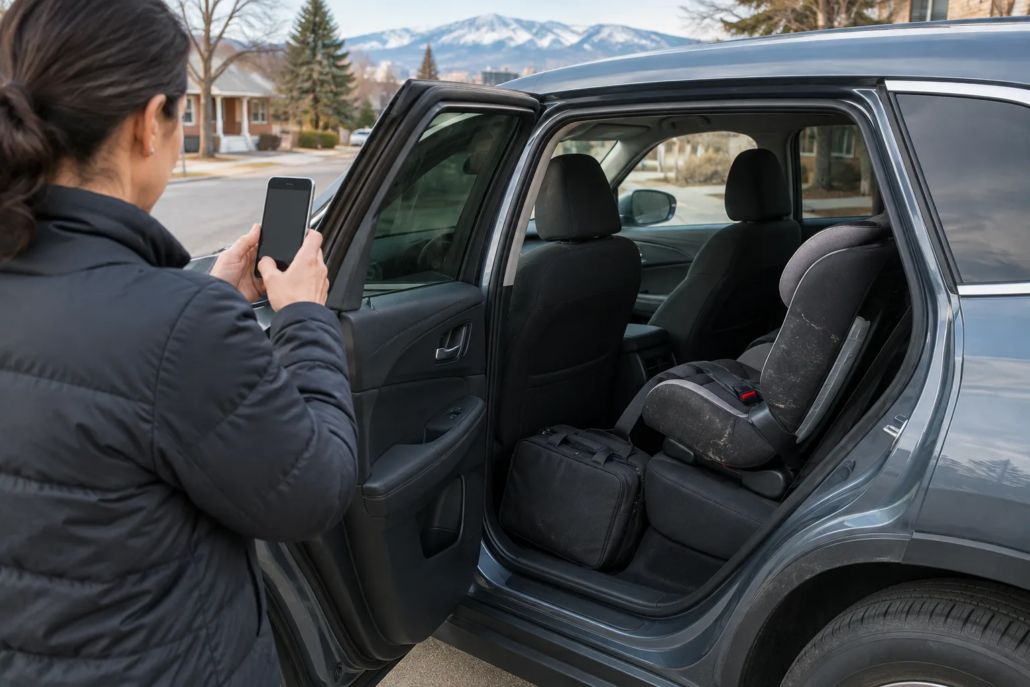
- Photographs showing the item and its damage, plus wider images that help show where it was located in the vehicle.
- Receipts, order confirmations, bank or card statements, warranty records, or product details that help identify the item and its purchase price.
- A repair or replacement estimate, if available, and any communication with the insurer about how it values used property.
In Denver, as elsewhere in Colorado, the insurer may ask for additional information or a particular submission method. Ask whether it wants one combined inventory or separate entries, and whether it needs original documents or copies. Keep a copy of what you send and note when and how it was submitted. For a child car seat, ask the seat manufacturer and insurer what information they need to evaluate it; do not assume every seat must be replaced or that every policy treats it the same way.
How Can You Submit a Belongings Claim Without Losing Important Details?
Before submitting a request, check which insurer you are contacting and whether you are making a claim under your own policy or asking the other driver’s insurer to consider the loss. The process and the policy terms can differ. Ask the adjuster how to submit a personal-property request, what proof is needed, whether it should be filed separately from vehicle repairs, and how the insurer will assess an item’s value.
A few common documentation problems are avoidable. An inventory that says only “electronics” may not identify what was damaged. A photograph of an item without a description of its condition may not show whether the crash caused the damage. And replacing or discarding an item before documenting it can make later review more difficult. If an item is unsafe or needs to be handled promptly, explain that to the insurer and keep whatever reasonable records are available.
Save copies of emails, claim numbers, estimates, and any written explanation of a coverage decision. If the insurer declines an item or offers less than you expected, ask which policy language or valuation information informed its position. In Colorado, coverage and liability questions depend on the facts and applicable policy; laws and procedures can vary by location and may change. A lawyer can help explain possible options, but no particular outcome is assured.
Frequently Asked Questions
Does auto insurance cover a phone or laptop damaged in a Denver crash?
It may, but coverage is not automatic. The at-fault driver’s insurer may consider documented belongings as part of a property-damage request, subject to liability, policy limits, and its review. Your own auto policy may not cover personal contents simply because it covers collision damage to your vehicle. A homeowners or renters policy may be relevant, depending on its terms. Ask the appropriate insurer how to submit the item and what proof it requires.
Can I include personal belongings with my vehicle repair claim?
You can ask the insurer whether it accepts both types of loss under one claim, but vehicle repairs and damaged belongings may require separate estimates, forms, or documentation. Make a distinct list of personal items and ask the adjuster how to submit it. Keep copies of the vehicle estimate and the belongings request so you can track what each document addresses.
What if I no longer have receipts for damaged items?
Receipts can help, but other records may also provide useful details. Depending on what is available, you might locate a purchase confirmation, bank or card statement, warranty record, product information, or photographs showing the item before the crash. Ask the insurer what alternatives it will review. Explain honestly what you know about the item’s age and prior condition rather than guessing at a precise value.
Should a child car seat be included in a property-damage request?
You can tell the insurer that a child car seat was in the vehicle and ask what documentation it needs. Record the seat’s identifying and purchase information if available, and photograph its condition. Guidance about whether a particular seat should be replaced can depend on the crash and the manufacturer’s instructions. The insurer may also have questions about valuation or proof, so ask how it reviews a seat-related request.
How Neumann Can Help
When a crash damages both a vehicle and the items inside it, sorting out which insurer to contact and how to document each loss can raise practical questions. Neumann is dedicated to helping people understand their options and is committed to fighting for clients’ rights within the facts and applicable coverage. The team can evaluate your situation, discuss what records may be relevant, and explain questions to raise about a property-damage request. Contact Neumann to request a free consultation or case evaluation and discuss your circumstances.
The information in this article is for educational purposes only and does not constitute legal advice. Contact a qualified attorney authorized to practice in the jurisdiction that applies to your matter for advice specific to your situation.


Leave a Reply
Want to join the discussion?Feel free to contribute!